For a generation at risk, Desmond Tutu was right
By Tim Taylor
September 19, 2023
The consequences of the pandemic on our society as a whole were far and wide, with a particularly devastating impact on student achievement and well-being. Math and reading performance plummeted, while the incidence of mental health crises among young people spiked, both disproportionately affecting students from marginalized communities. COVID-19 exposed inadequacies in the education system, as well as opportunities to build a more adaptable system that addresses the needs of students, today and in the future.
In the spring of 2022, I had the privilege to participate in the Building Bridges Initiative, which provided a unique opportunity to work with colleagues from all political perspectives to discuss how we can best ensure students have the opportunity to fulfill their potential. As a centrist from an organization that is committed to engaging business leaders in modernizing education systems to drive equity and opportunity, our focus is on ensuring students are prepared to compete in a competitive global economy and contribute to their local community.
Over the course of a year, we engaged in critical, thought-provoking conversations and debates focused on the impact that learning loss has had on students, society, and our economy, the health of which are inextricably linked. Many students are facing lower lifetime earnings and uncertainty around the future of the economy as the advent of AI, an aging labor force, and intense political polarization have all contributed to considerable fluidity in the job market. These converging factors have sinister implications for business growth and national economic health in the decades to come.
After many discussions, one area of robust agreement we found was that a student-centered education acknowledges each learner’s strengths and interests by pushing them to understand the “why” behind their studies and engage in learning that develops durable skills alongside technical skills through real-world application of their studies. In order to ensure that students have the skills and knowledge to contribute to their communities and the global economy, we must place them at the center of their education and not treat them as “interchangeable widgets.”
As a group, we also agreed that a “more responsive” system should be firmly centered around students and their needs, empower parents and families, and aim for a broader definition of student success. Achievement in English language arts, math, history, science, and the other components of a liberal education remain essential for success in our advanced economy. The value of student-centered education practices is that they focus the learning experience around these core technical skills while also equipping students to acknowledge and practice the durable skills that are critical to their personal flourishing and a successful career.
The deepest discussions and thoughtful disagreements were reserved for how to accomplish these goals, however, not what we want to accomplish. One of the most interesting tensions was between colleagues who prioritized supporting students who were, and still are, struggling post-pandemic and others who remained focused on addressing the structural inadequacies that gave way to the crisis in the first place.
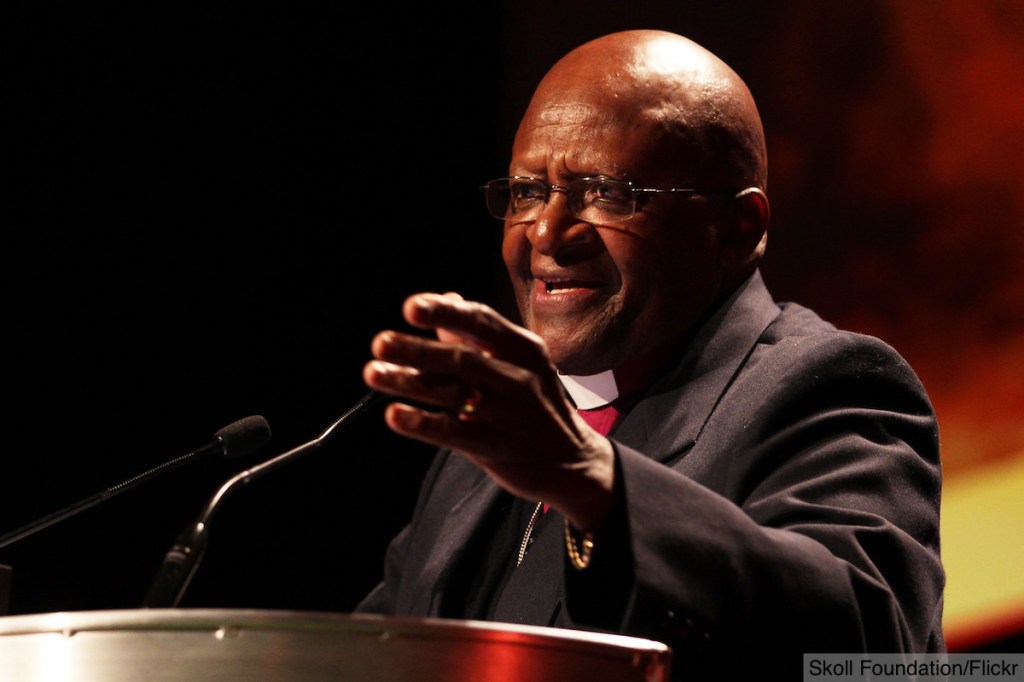
As a pragmatist, I believe both are correct. As Desmond Tutu said, “There comes a point where we need to stop just pulling people out of the river. We need to go upstream and find out why they’re falling in.”
Ultimately, the group produced a report titled A Generation at Risk: A Call to Action, whose recommendations address both issues, and which is agnostic on the order we take on the challenges and is appropriately focused on impact.
According to the World Economic Forum’s “Future of Jobs” report, durable skills are nine of the top ten most in-demand skills by employers. Therefore, it is urgent that we address learning loss, while simultaneously transforming the system to ensure every student has an opportunity to unlock their potential and address the challenges of the future.
Actions aimed at addressing immediate needs include setting clear, recovery-focused goals at all levels, and adopting evidence-based strategies to support research-based professional development to meet the diverse needs of all students. Additionally, we must rethink how time and roles are used in schools to better support students and educators alike. We should actively assess emerging innovations, successes, and failures to foster a commitment to innovative solutions. Finally, we must ensure every student has an individualized pathway toward receiving the education and tools to thrive in the workforce.
To go upstream and build a more responsive educational system, policymakers, educators and practitioners must work together to figure out why students fell into the river in the first place. This collaborative reform includes modernizing resource allocation, building infrastructure to support partnerships, and investing in innovations that leverage individualized student outcomes. You can read more about each of these recommendations in the Building Bridges Initiative’s Call to Action.
In the end, it was unanimous that the success and well-being of younger generations should transcend political divisions by finding common values and focusing on the goal of preparing youth with the resources to succeed. The future economic mobility of young learners depends on our ability to implement learning models that put students at the center of educational experiences and help them develop a suite of skills that are in demand throughout the workforce. By putting aside political perspectives, we can implement the actions needed to build a brighter future for younger generations and society as a whole.
The Building Bridges Initiative was an ambitious experiment in bipartisanship, and I urge my peers and colleagues to sign on to the statement and become a bridge-builder. I am more convinced than ever that to transform the education system to address the challenges of the present and meet the needs of the future, continued conversation and collective action is essential.
 The Building Bridges Initiative