Why teacher diversity matters for all students
By Sharif El-Mekki
October 2, 2023
Regardless of where you fall on the political spectrum, if you are a parent or a person who cares about young people, we can likely all agree that our public education system must be centered on students and their specific needs.
Students from all backgrounds need access to learning environments that meet them where they are and take them as far as they are able to go, be they white, Black, Hispanic, Asian, Pacific Islander, Indigenous American, low-income, high-income, middle-income, a student with special educational needs, English language learners, above-grade-level, at-grade-level, or below-grade-level.
The single biggest in-school factor in student success is a child’s teacher. The research is clear: A highly capable teacher that can connect with and effectively support students is key when it comes to strengthening academic outcomes for students.
So as we look to build bridges across political divisions, race, and class, and as we look to embrace the notion that this is indeed an entire generation at risk and more must be done, a good place to start is with our teachers. That means looking at how we recruit, prepare, and support them. As we wrote in our recent Building Bridges Initiative report, an essential component of re-envisioning education in the future is “Embracing new approaches to attracting, preparing, and deploying talent to expand the pipeline of diverse, high-quality teachers, administrators, leaders, tutors, and others.”
Educator preparation has been something of a closed book in the broader education reform conversation. But it’s vital. There is an abundance of research that shows that an essential starting point for effective teaching is understanding the unique backgrounds of students, what their lives are like outside the schoolhouse doors, and their cultural context. Every student shows up to class with their own histories and unique experiences that influence how they learn.
Unfortunately, too few of our newly prepared teachers—those graduating from the majority of our teachers colleges—have the skills, understandings, and competencies to connect with students from diverse backgrounds. A recent study of new teachers in Pennsylvania found that six in ten feel unprepared to teach Black and Brown students—and that 72 percent, nearly three in four, feel unprepared to teach in urban classrooms. These are deeply troubling findings.
By embracing their role to more fully prepare future teachers for the totality of the young people they will teach, our schools of education and our teacher preparation programs can be at the vanguard of helping to right the ship for students facing additional barriers to success, but also of more effectively educating all children.
We need teacher preparation programs, as well as our professional development efforts, to incorporate the learning that will allow educators to see and understand the challenges students face in their everyday lives and the opportunities it presents for creating greater connection. Doing so makes sense not just from a student learning perspective, but from teacher turnover and budget perspectives, as well. Better prepared, more effective teachers tend to feel more fulfilled and successful. They experience less burnout and stay on the job longer, meaning less attrition and cost for schools and districts. It also means that they become increasingly effective for students as they stay on the job across longer careers.
But we also need to look at who we are recruiting into the profession. Just 20 percent of public school teachers identify as people of color, and 40 percent of schools do not have a single teacher of color on staff. Equally problematically, just 7 percent of teachers identify as Black and just 2 percent of teachers identify as Black men. In a nation where our public school student population is majority-minority, that’s a glaring lack of representation.
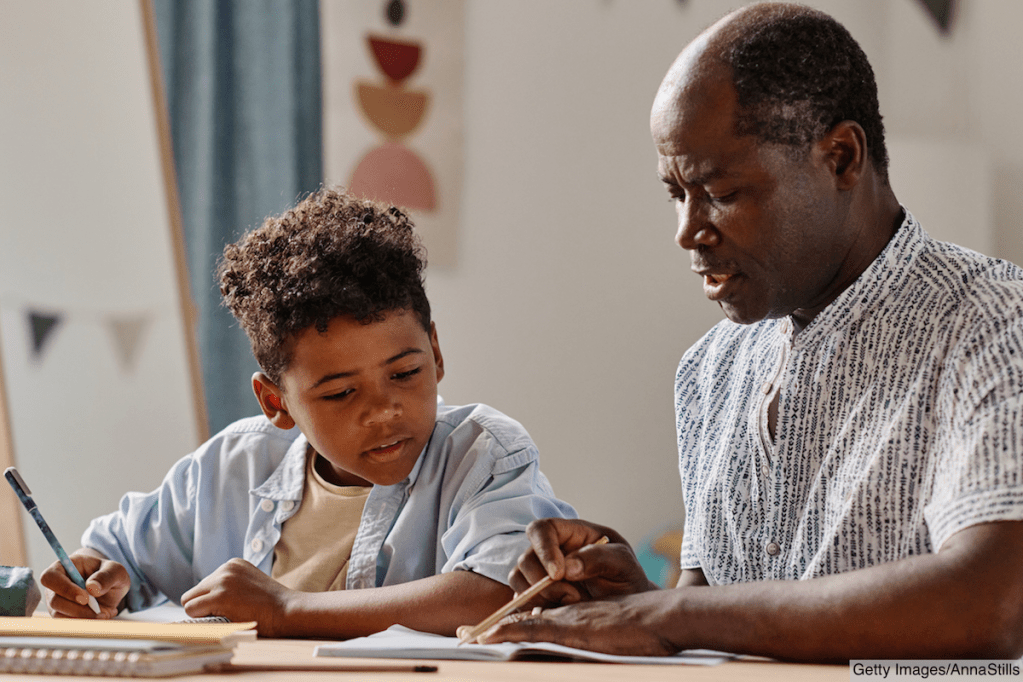
More than just an optics problem, this lack of teacher diversity is hamstringing student success. Here, again, the research is clear. When all students have more Black and Brown teachers, they thrive. Research is especially powerful when students have teachers of their same race or ethnicity. When Black students have Black teachers, for example, graduation rates rise, dropout rates drop, disciplinary issues decline, students report more positive views of schooling, and test scores and grades rise.
Getting more diverse teacher candidates into teacher prep programs—both traditional and non-traditional—is as doable as it is sensible. HBCUs and alternative pathways like TNTP are successfully getting droves of well-prepared, diverse aspiring teachers into classrooms every year. Our team at the Center for Black Educator Development has been supporting school districts from Philadelphia to Fresno to ensure their teachers are better prepared to lead classrooms. Our college apprentices are learning how to teach, and unfortunately, too many say they learn more in our paid apprenticeship program than they did in their educator prep programs. We must, as a country, do better. Much better. We can learn and replicate effective strategies in other institutions and pathways. Doing so will benefit not just students, but also these programs and institutions through increased enrollment and greater impact.
At this pivotal moment in the wake of a terrible pandemic, students need educators that put them at the center of learning. To do that, our teachers need the preparation, tools, and professional supports to succeed. We know how to do it, we just have to take the steps to make it happen.
Sharif El-Mekki is the CEO of the Center for Black Educator Development.
 The Building Bridges Initiative